Firebox and Hearth Masonry Restoration
Firebox and hearth masonry restoration in Spring Valley, NV — repairing cracked firebrick, failed joints, and damaged hearth masonry.
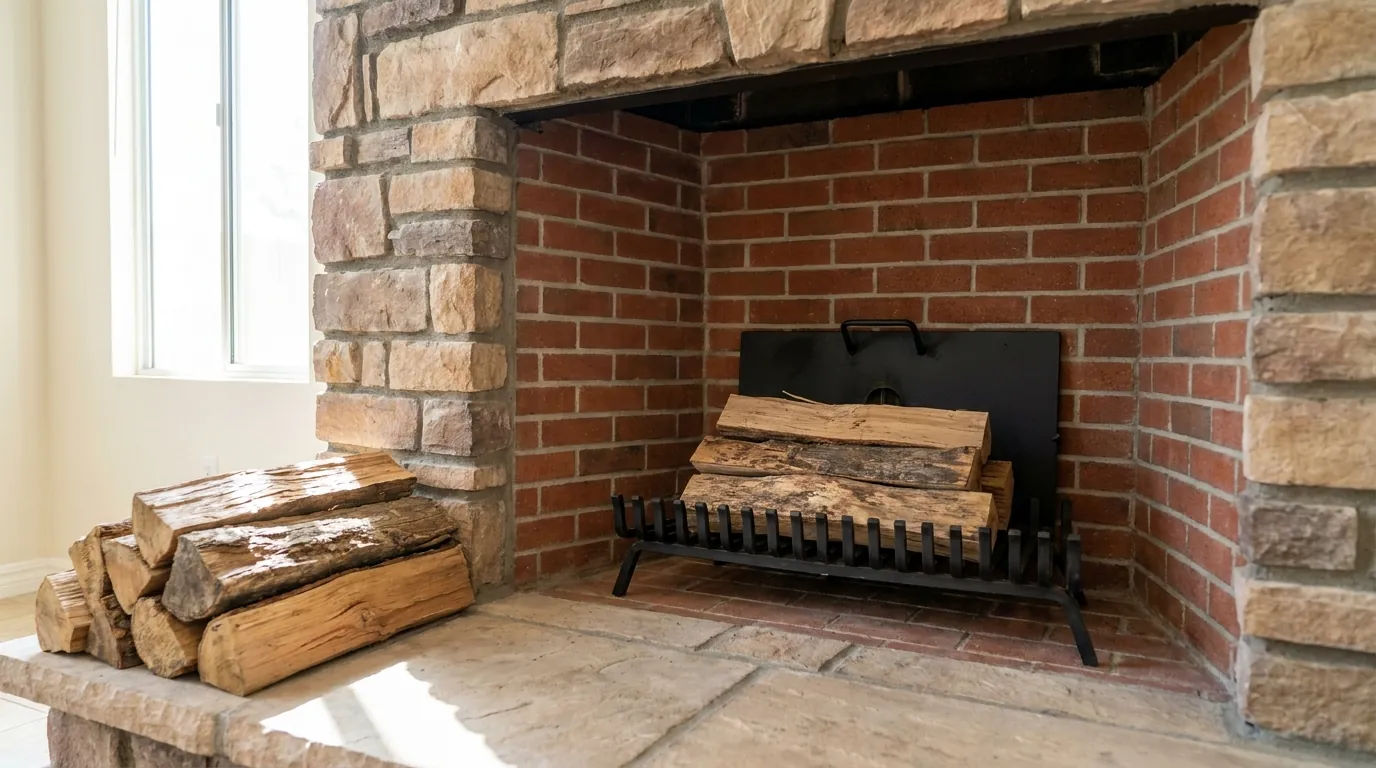
What breaks down inside the firebox
The firebox is the chamber where the fire actually burns, and the hearth is the masonry floor extending out in front of it. Both take direct, repeated heat, and both are built from firebrick set in refractory mortar designed to handle it. Over years of fires, the firebrick cracks, the refractory joints wash out and crumble, and gaps open between bricks. Because the firebox is what separates the fire from the rest of the house, that deterioration isn't just cosmetic — open joints and cracked brick let heat reach places it shouldn't.
The signs are visible when you look into the firebox: cracked or crumbling firebrick, missing or powdery mortar between the bricks, gaps at the back and side walls, and loose pieces you can wiggle. On the hearth, you may see cracked or loose brick or stone where it extends into the room. Firebox and hearth restoration rebuilds these surfaces with proper firebrick and refractory mortar so the chamber contains the fire the way it was built to.
Firebox problems often sit at the bottom of a chain of water damage above. If the crown and cap or flue lining have let water travel down the stack, it can reach the firebox and accelerate its decay — so we look at the whole chimney, not just the chamber you can see.
How firebox and hearth restoration is done
Restoration uses firebrick and refractory materials — not ordinary brick and mortar — because the firebox lives with direct heat.
-
Assess the chamber
We examine the firebrick, joints, and hearth for cracks, washed-out mortar, and loose brick, and check whether water from above has contributed to the damage.
-
Remove damaged material
Cracked firebrick and failed refractory mortar are removed back to sound material so the repair is built on a solid base rather than over crumbling brick.
-
Rebuild with firebrick
New firebrick is set in refractory mortar rated for firebox heat, rebuilding the back and side walls and repointing the joints so the chamber is tight and sound.
-
Restore the hearth
Cracked or loose hearth masonry is repaired or reset so the floor in front of the firebox is solid and continuous again.
How local conditions reach the firebox
You might not expect the desert climate to touch the inside of a fireplace, but it does — indirectly. The same sun, heat swings, and wind-driven monsoon rain that crack crowns and open mortar joints up top let water into the masonry, and that water can travel down the stack to the firebox and smoke chamber. Alkaline moisture and mineral salts carried along with it attack the refractory joints, speeding up the washing-out of mortar that heat alone would cause more slowly.
That's why firebox restoration is most durable when the water paths above are closed off too. A rebuilt firebox under a chimney that's still letting rain in will wear again faster than it should. If you're not sure whether your fireplace issues start inside the firebox or higher up the stack, our chimney repair overview and an inspection will sort out where the real problem lives before any restoration begins.
Firebox brick cracking or crumbling?
If you see cracked firebrick or missing mortar in your firebox, send photos or ask for an inspection before the next burning season.
Serving Spring Valley and surrounding Las Vegas valley communities.
Frequently asked questions
Is a cracked firebox something I need to fix?
The firebox separates the fire from the rest of the house, so cracked firebrick and open joints are more than cosmetic. They should be assessed, because deterioration lets heat reach areas it shouldn't. An inspection determines how far the damage goes.
Why can't regular brick and mortar be used in the firebox?
The firebox lives with direct, repeated heat, so it requires firebrick and refractory mortar rated for those temperatures. Ordinary brick and standard mortar break down quickly under firebox conditions and aren't a substitute.
Could my firebox damage be related to a chimney leak?
Yes. Water entering through a failed crown, cap, or flue can travel down the stack and reach the firebox, washing out joints and accelerating decay. That's why we check the whole chimney rather than only the chamber you can see.
What affects the cost of firebox and hearth restoration?
Cost depends on how much firebrick needs replacing, the extent of joint failure, whether the hearth needs repair, and whether water from above must be addressed first. Each firebox is scoped after it's inspected.